
House Lifting & Home Elevation on Galveston Island
Raising Island homes above the next storm - slab, pier & beam, historic and beach houses. Family owned since 1954, and every lift is done by our own crew.
Get a Free On-Site Estimate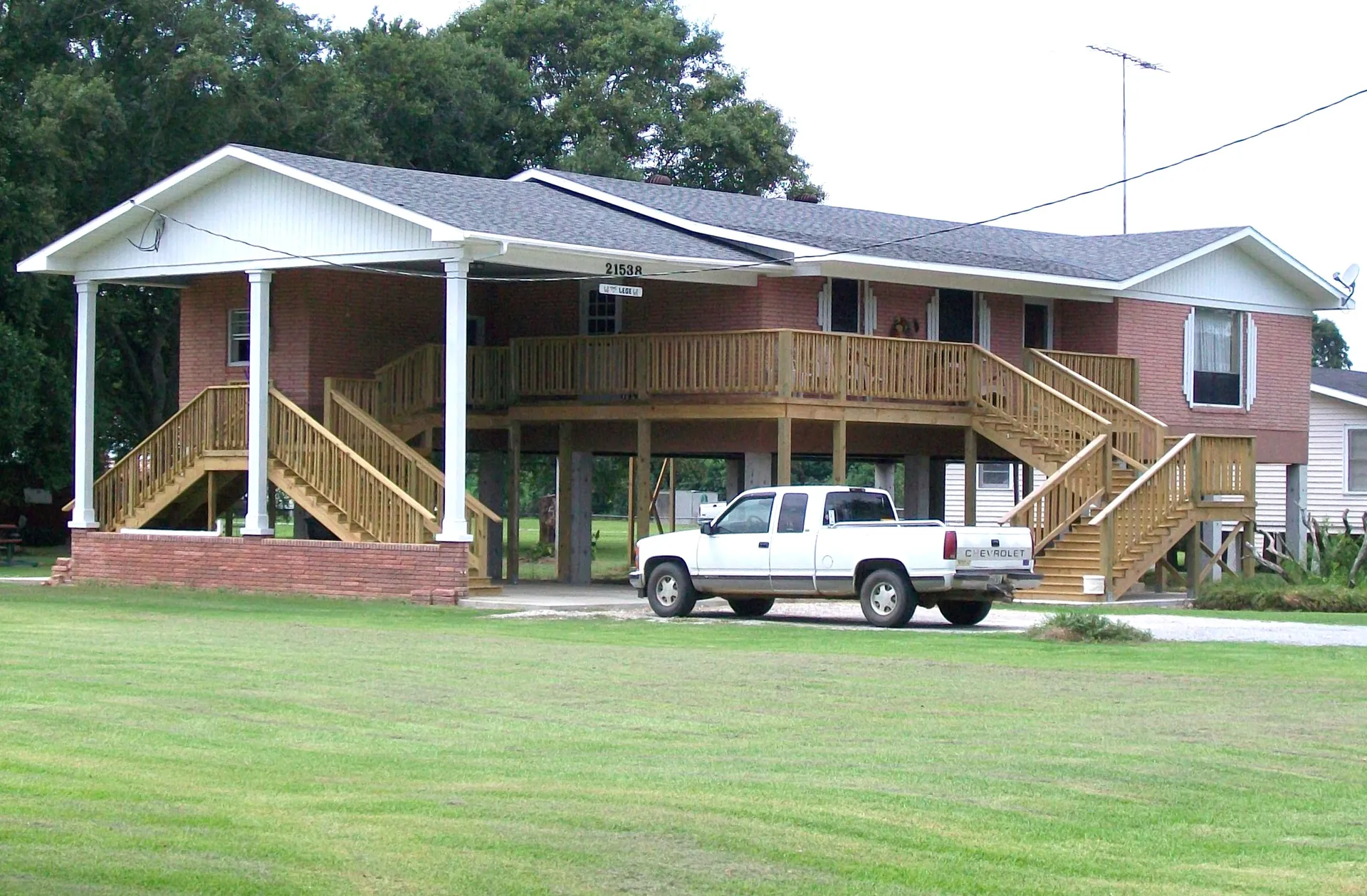 Raised, re-set and back in use
Let's Talk About Your House First
If you live on Galveston Island, you already know the water comes up. Maybe you made it through Ike in 2008. Maybe your flood insurance bill just went up again, or your neighbor raised their house last year and now yours looks awfully low sitting next to it.
Whatever brought you here, the question is usually the same: can this house go up, how high, and what's it going to put me through? That's what this page is for. No sales pitch - just how we do it, what it involves, and what to ask any contractor before they put your home on jacks.
We're Expert House Movers. The Matyiko family has been lifting and moving houses since 1954, and our Texas office is right here at 3928 Avenue O 1/2 in Galveston. When you call, you talk to us - not a call center.

Owner · Fourth-generation house mover · (409) 750-3448
Galveston Homes Have Their Own Set of Problems
A house lift in Galveston isn't the same job as one in north Houston. Here's what we plan around on every Island project.
Storm Surge, Not Just Rain
Most of the Island sits only a few feet above sea level. When a storm pushes Gulf water in, it comes up under and around the house. Height is the only real defense.
Flood Zones That Set the Rules
Your lot's flood zone and base flood elevation decide how high the finished floor has to be - and that number drives the whole project, from the permit to the insurance savings.
Salt Air and Old Lumber
Salt and humidity eat at nails, straps and wood piers. Before we lift, we look at what is holding the house together, not just what it sits on.
Tight Lots and Close Neighbors
A lot of Island houses sit a few feet from the fence or the next house. We work in tight spaces - it takes more planning and hand work, but it can be done.
Historic Districts
In the East End, Silk Stocking and other historic districts, raising a house changes how it looks from the street, so the City's Landmark Commission has a say. We plan for that up front.
Slab Homes Too
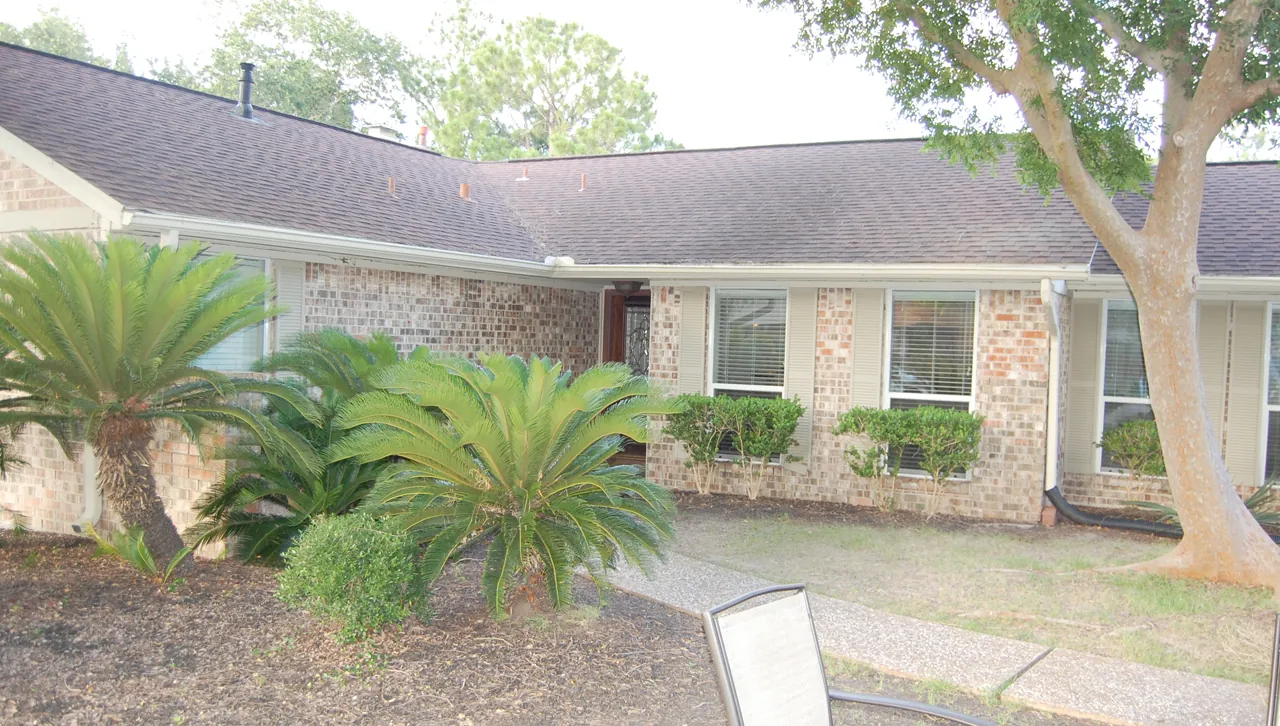
Plenty of Galveston houses are brick or frame on a concrete slab. Those can be lifted - slab and all. Fewer movers will touch a slab lift, and almost all of them subcontract it.
How We Lift a House on the Island
Every house is a little different, but here's the honest step-by-step of what happens on a typical Galveston elevation:
- 1. We come look at it. Free, on site. We measure the house, check how it is built, look at access around it, ask about your goal and look at your elevation certificate if you have one.
- 2. Utilities and permits. Gas, electric, water and sewer get disconnected or extended. Permits get pulled. If you are in a historic district, the Landmark Commission paperwork starts here too.
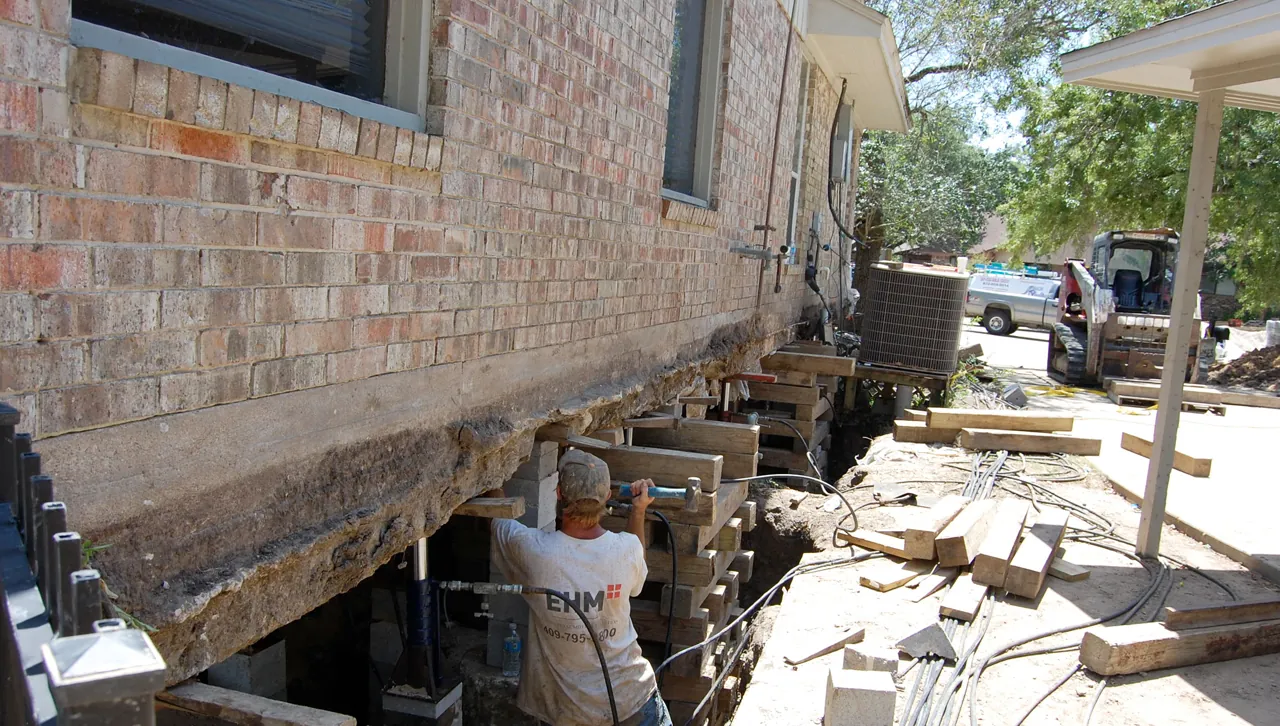
- 3. Steel goes under the house. We dig where we need to and slide a grid of steel beams under the structure so its weight is carried evenly.
- 4. The lift. Our unified hydraulic jacking system raises every point at the same rate, slow and even, so the house comes up level and in one piece.
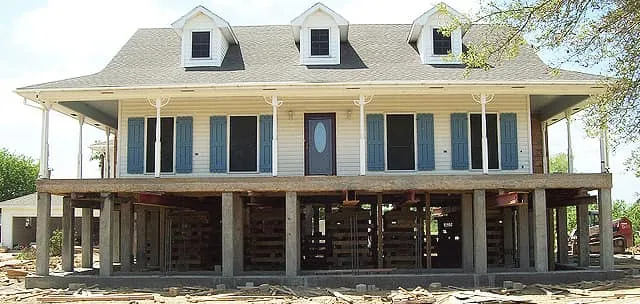
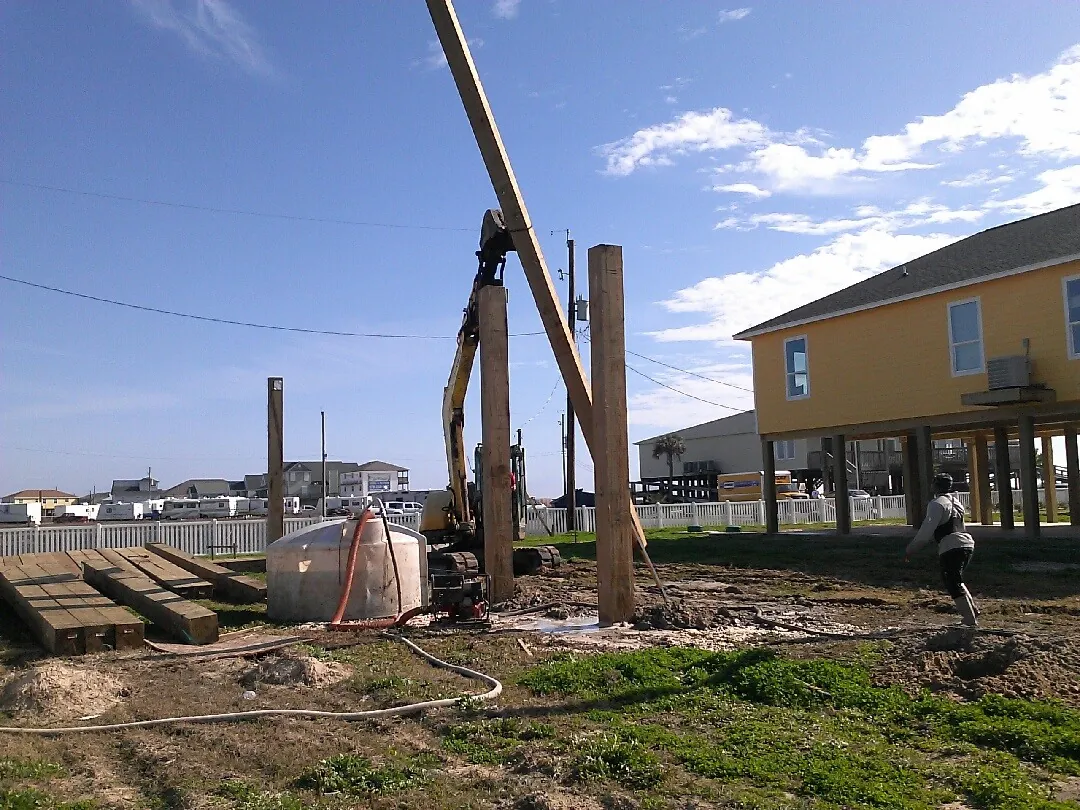
- 5. Cribbing holds it while the new foundation goes in. Heavy timber cribbing carries the house while the new pilings, piers or foundation walls are built to the new height.
- 6. Set down and hooked back up. We lower the house onto its new foundation, the utilities are reconnected, and stairs and decks are rebuilt to fit the new height.
What We Lift on Galveston Island
Already Up - But Not High Enough
A lot of beach houses are already on pilings, just not high enough for today's flood maps or for the parking and storage you want underneath. Taking an elevated house up another few feet is a normal job for us.
Slab-on-Grade Homes
Brick or frame houses sitting right on the ground are the ones that flood first. We can raise the whole house, slab included, and set it on a new foundation.
Pier & Beam Cottages
Older Island cottages on short piers are usually good candidates. We often find rotted sills or beams once we get under them, and we fix those while the house is up.
Historic Homes
Victorians and old Island homes are heavy, tall and fragile. They need slow, even lifting and real experience with old framing - the kind of work our family has done for decades.
What Raising Your House Can Do for You
Keep the water out. That's the big one. A house that sits above the flood level doesn't take on water the way it used to.
Lower your flood insurance. How high your lowest floor sits above the base flood elevation is one of the biggest things your flood premium is based on. A new elevation certificate after the lift shows the insurance company where the house sits now.
Get usable space underneath. Plenty of folks use the new height for parking, storage or a shaded patio. (Just know that space under a raised house in a flood zone has rules about what you can build down there.)
Protect what you've got. Raising a house you love usually costs less than tearing it down and starting over - and you keep the house, the character and the lot you already have.
If you're looking at help paying for it, read our page on FEMA elevation grants and flood insurance ICC money.
Questions to Ask Any House Lifting Contractor
We would rather you ask these and hire the right company than skip them and regret it. Ask us too.
- Who actually does the lift? Most house movers subcontract the lifting. Ask whose crew and whose equipment will be under your house. With us, it is ours - every time.
- What insurance do you carry for the house while it's in the air? General liability is not the whole story. Ask about cargo/riggers coverage for the structure itself. We carry both.
- How many slab homes have you lifted? Lifting a slab house is a different animal. Ask for examples.
- Who handles permits and the utility companies? You shouldn't have to be the go-between. We coordinate it.
- How high does my house need to go? The answer should come from your flood zone, your elevation certificate and your goals - not from a guess.
- Can I stay in the house? Usually you can stay until the day we lift. Ask how long you will be out and plan for it.
- What will this do to my walls? Done right - slow and even - most houses come up with little or no new drywall cracking.
- What exactly is in the price? Lifting, new foundation, stairs, utilities, engineering and permits are often priced separately. Get it in writing.
From the West End to the East End
We work all over the Island - from the beach houses on the West End around Jamaica Beach, Pirates Beach and Sea Isle, to the older neighborhoods and historic districts in town, and across the causeway to Tiki Island, Bayou Vista, Hitchcock, La Marque and Texas City.
Up the coast, we lift houses in League City, Kemah, Dickinson, Seabrook and around Clear Lake, and inland across the Houston area. If you are not sure we come out your way, call - we probably do.
Not sure if you need a full lift, or just a level? Read about house leveling in Galveston and pier & beam repair.
Galveston House Lifting Questions
Related Services & Guides
House Lifting & Elevation
How we lift slab and pier & beam homes across the Gulf Coast.
FEMA Grants & ICC
Plain-English guide to help paying for a home elevation.
What Does It Cost?
The things that really drive the price of a lift.
Get a Free Galveston House Lifting Estimate
Call or send us a few details - how high the house sits now, how many steps to your door, and whether it is slab or pier & beam. A photo of each side of the house helps. We will call you back and set up a free on-site visit.
📞 (409) 750-3448