
Scour & Your Foundation
When storm water rushes back out to the Gulf, it takes the sand with it, sometimes right out from under your house. Here's what scour is, how to spot it, and why piling depth decides what happens next.
Have Your Pilings CheckedThe Water Coming Back Out Does the Damage
Everybody watches the water come in during a storm. The part that undermines houses is what happens when it goes back out. Surge and waves pile water up against the island, and when it drains back toward the Gulf it moves fast, carrying sand with it. That's scour.
Around a piling or the edge of a slab, the water speeds up and digs. A few hours of that can take feet of sand from around a house that looked fine the day before.
A piling only holds as well as the ground still gripping it. Lose the top few feet of sand, and whatever's left in the ground is all that's keeping your house up.
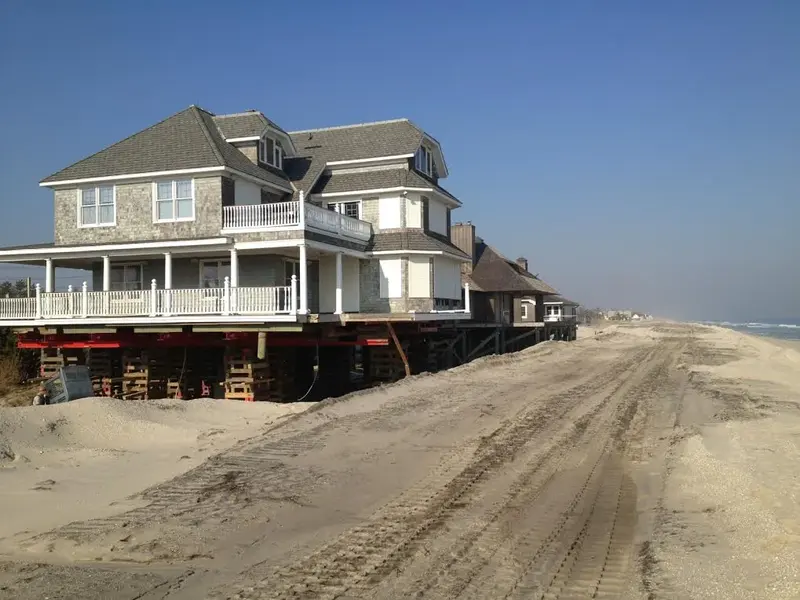 Gulf-front homes: nothing between the house and the water but sand
Same Storm, Two Different Pilings
The sand line drops. What's left in the ground is what matters.
Where Scour Shows Up
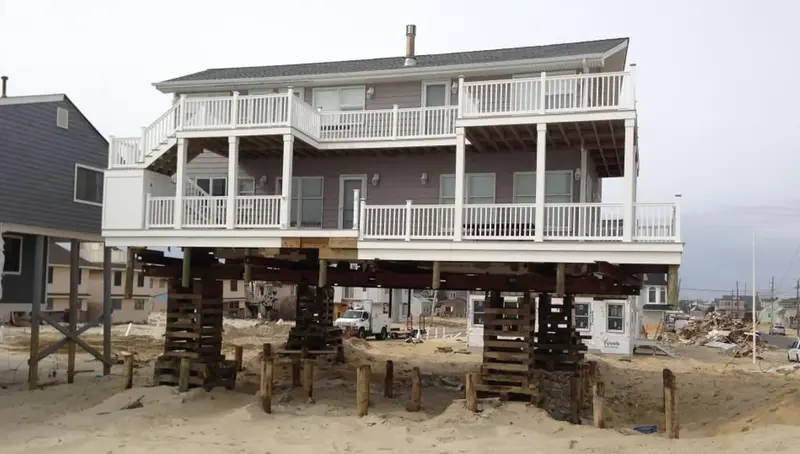
More Piling Showing
If you can see more of your pilings than you could before the storm, the ground went somewhere. Measure from a fixed mark if you can.
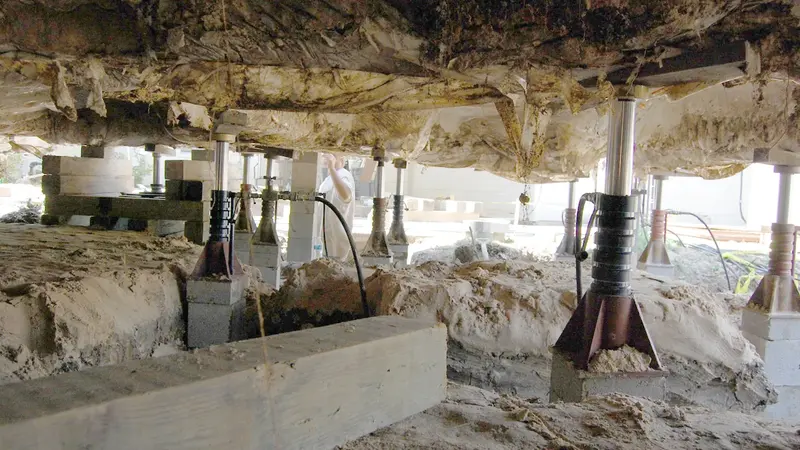
Loose or Hollow Ground Underneath
Soft, washed sand, holes at the base of a piling, or a gap you can push a stick into under a slab edge are all signs the water was digging there.
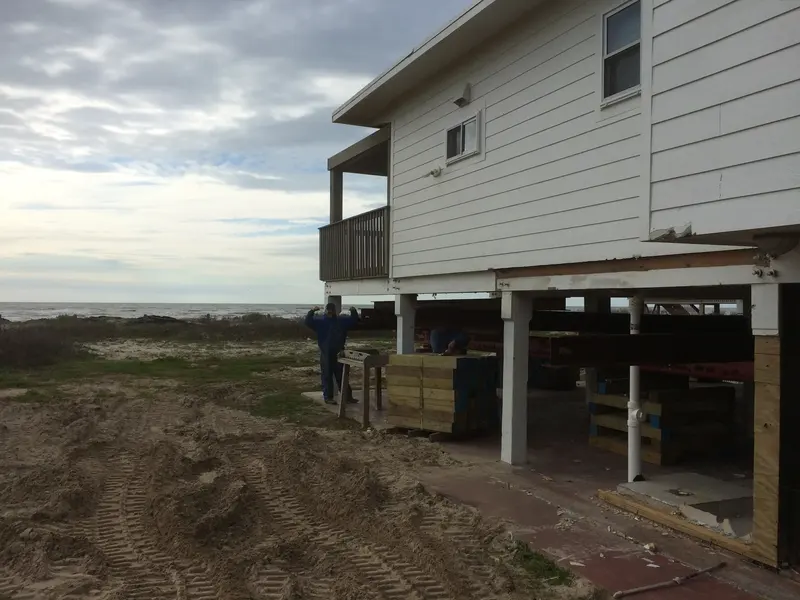
Stairs, Decks & Doors Out of Line
A deck that dropped, stairs that pulled away, or doors that suddenly bind can mean a piling settled after losing support.
Your After-the-Storm Walk-Around
Once it's safe to be there, a 15-minute look can save you a lot.
- Photograph every piling from the same spots you'd use next time, with something for scale. Your insurer will want them too.
- Look at the ground line on each piling: new exposed wood, a dark “old sand” stain above the dirt, or a hole around the base.
- Check the slab edges on ground-level structures and driveways for gaps or undercut concrete.
- Sight down the beams and deck for any new sag or a corner that dropped.
- Try the doors and windows. New sticking after a storm is worth taking seriously.
- Call before you refill. Dumping sand back around a piling hides the problem; it doesn't put grip back on the wood.
“Your home may stand, but not withstand when it counts the most.”
The fix for scour risk is depth: a piling set as deep in the ground as it stands above it, so losing a few feet of sand doesn't matter.
How Full-Length Piling Replacement Works →Worried About Scour Under Your House?
Send a few photos of your pilings or slab edge and tell us what changed after the storm. We'll come look anywhere on the Island, Bolivar or the bay.
📞 (409) 750-3448